Team development through service

10-20-30 Project

Teams learn, plan, act, reflect, and share a community project that turns sport values into visible impact.

The Society Behind This Program

Using sport as a platform to teach life skills.

The 10-20-30 Project Society is a registered nonprofit organization that uses sport as a platform to teach life skills, leadership, community engagement, and giving back.

10-20-30 Project logo

The Program

A five-module path from team values to community impact.

A five-module leadership and community engagement clinic designed primarily for U13-U18 teams. Athletes learn communication, belonging, allyship, leadership, athlete ambassadorship, and community engagement while completing meaningful projects that benefit local charities and community organizations.

A modular team experience that helps young athletes grow leadership, empathy, and community connection through guided action.

How It Works

Our 5-Module Program

The clinic is usually delivered in approximately 2.5 hours for Modules One through Four, followed by the community event and a 30-minute Module Five reflection session. Delivery is flexible and can be adapted to meet each team's needs. We also work with charitable organizations and can help connect teams with a charity or community cause.

The clinic is delivered in person as a high-energy mix of storytelling, group activities, and videos that keep athletes engaged while connecting the lessons to real team and community situations.

Module One

CTRL-F Values

Athletes build on the values they already use every day: Compete, Teamwork, Respect, and Leadership (CTRL-F). They explore how these values can shape their experiences in sport and beyond. Through discussion, reflection, and practical activities, athletes are challenged to think about the impact they want to have on their sport and community in 10, 20, and 30 years. Two take-home assignments extend the learning beyond the session.

Module Two

Communication & Allyship

Communication, active listening, belonging, and allyship are at the heart of this session. Athletes learn how their words and actions impact team culture and explore practical ways to support teammates, strengthen relationships, and create a sense of belonging. Two take-home assignments extend the learning beyond the session.

Module Three

Athlete Ambassadorship & Community Awareness

Athletes explore the role they can play as ambassadors for positive change. A local charity or community leader shares the who, what, where, when, why, and how of their organization, helping athletes better understand a real community need. Athletes then examine how they can use their voice, platform, and teamwork to support a cause and make a meaningful difference beyond sport.

Module Four

Project Planning

Athletes turn their attention from learning about a community need to taking action. Through a lightly guided team discussion, they identify how they can support their chosen charity or community organization and work together to develop a realistic plan. By the end of the session, the team has committed to a give-back initiative and is prepared to put its ideas into action.

Between Modules Four and Five

Community Event

The team completes its real-world give-back project. With the support of coaches, managers, and community partners who have committed time and space for the initiative, athletes put their plan into action. Depending on the partner and team needs, this may involve volunteering, fundraising, collections, service work, or another activity that benefits a local charity or community organization.

Module Five

Reflection & Impact

Athletes reflect on their give-back project and the impact it had on both the community and their team. Through discussion and feedback, they reconnect with the CTRL-F values and revisit how they hope to impact their sport and community in 10, 20, and 30 years. The session concludes with athletes receiving a personalized package that recognizes their contributions and can be used to support future resumes, applications, and career development.

Stories and Proof

Teams turning sport values into community impact.

These stories show how athletes move from team values into real service, planning, leadership, and reflection. Expand each story to see what the teams did, who they supported, and the impact they helped create.

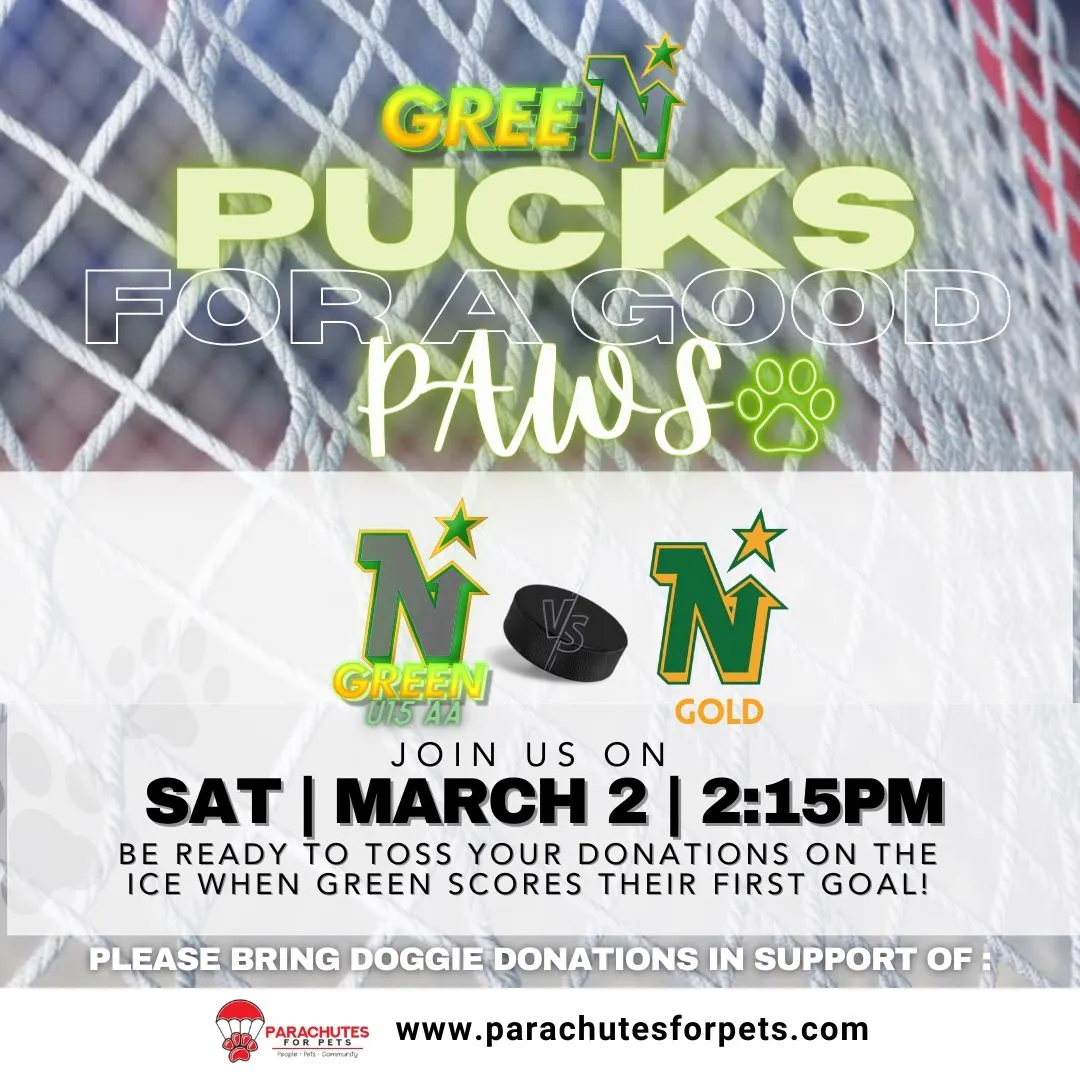
Northstars Pucks for a Good Paws donation drive poster.
Story 017 photos
Impact Story 01Community DriveYouth Team

U15 Northstars Big Dog Toy Drive

On March 2, 2024, the U15 Northstars turned a hockey game into a big-dog toy and food drive for a local pet charity and thrift store.

Collected big-dog toys, dog food, and donations for the pet charity.

Helped put thousands of dollars in value and support back into the local pet thrift store.

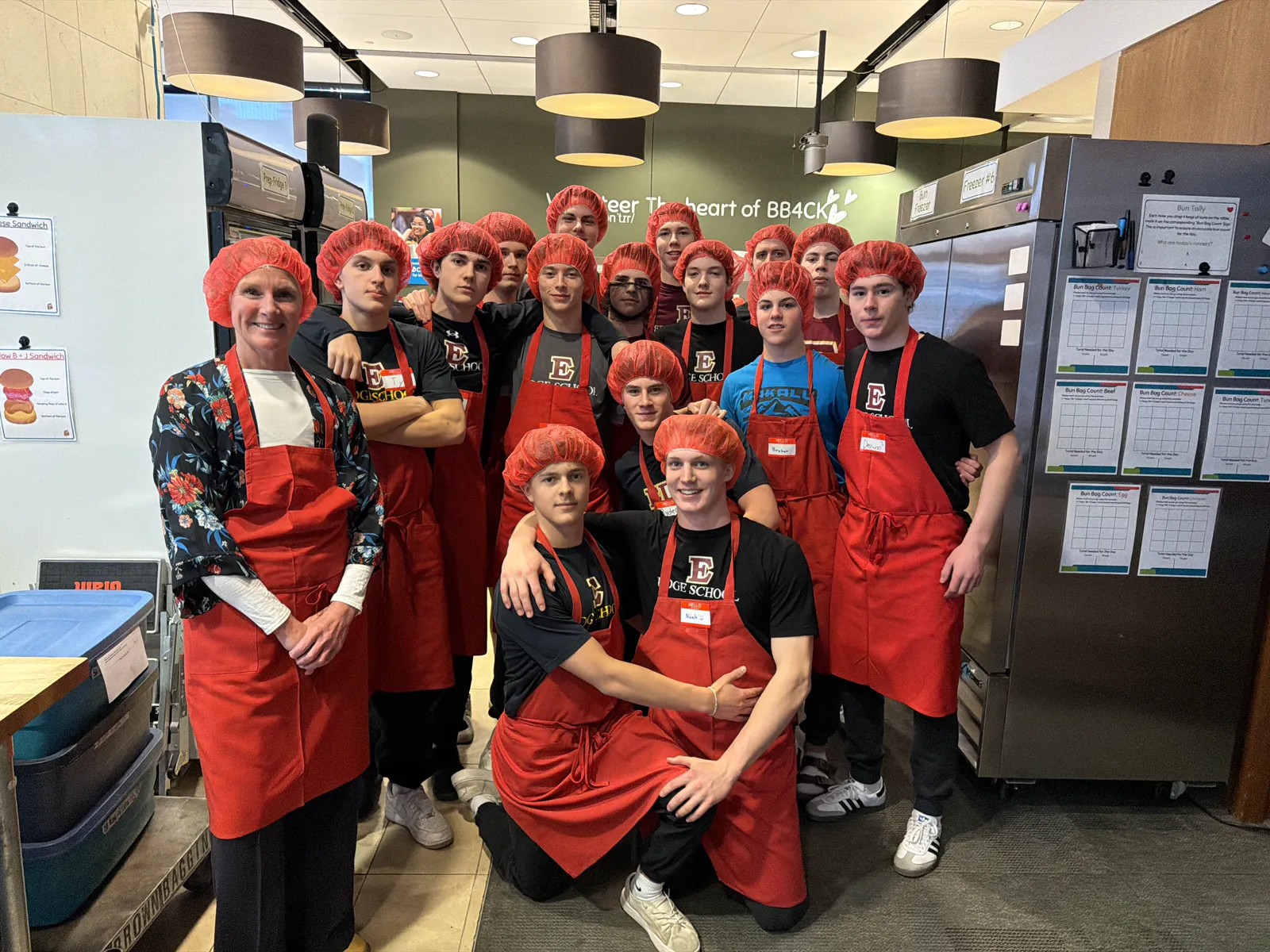
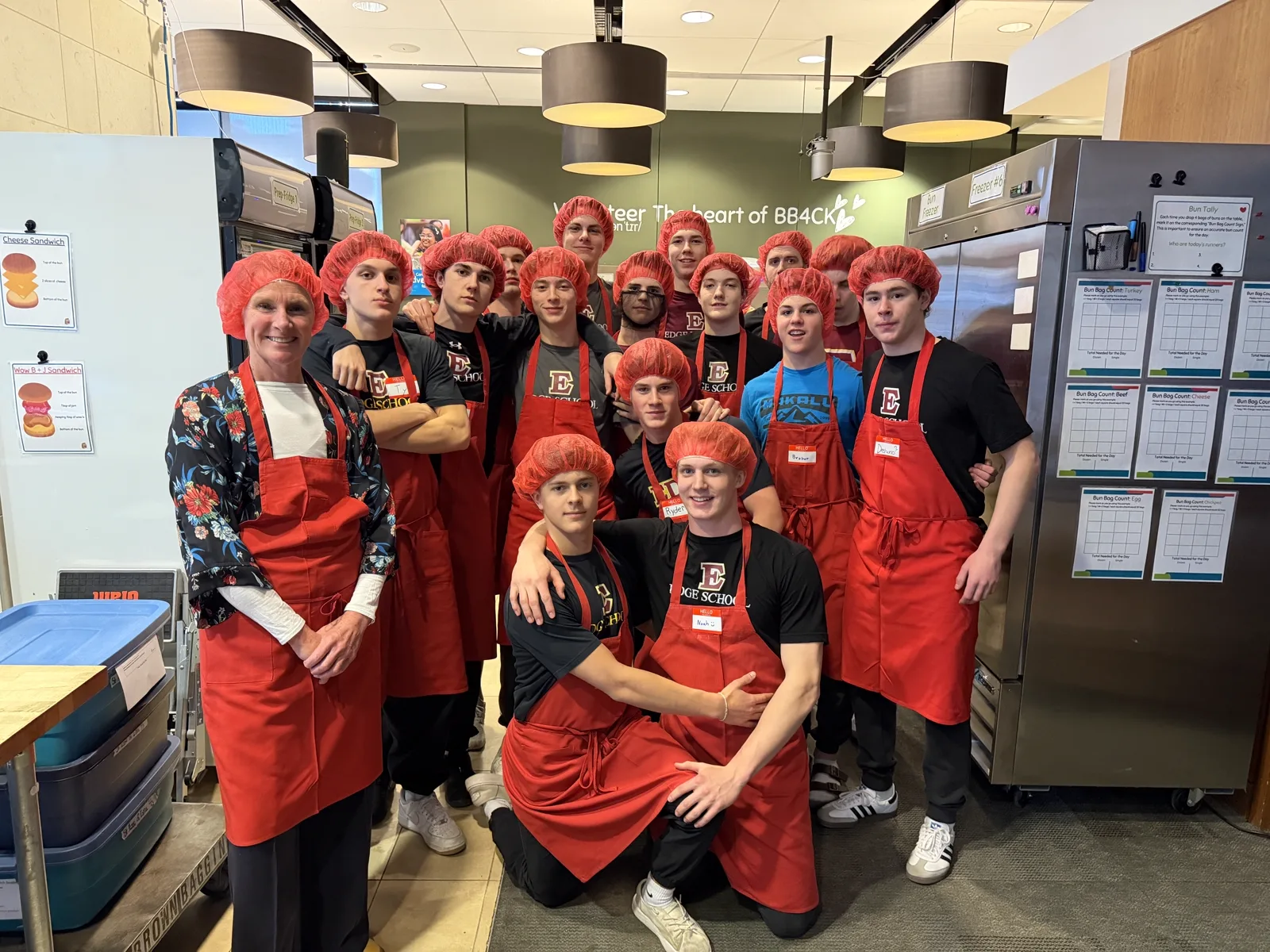
Edge School athletes volunteering with Brown Bagging for Calgary's Kids.
Story 025 photos
Impact Story 02Food SecurityTeam Service

Edge U18 and U17 Prep at BB4CK

Two Edge School teams served with Brown Bagging for Calgary's Kids, with the U17 Prep team visiting BB4CK on February 5, 2026 after the U18 team had already completed its service night.

Close to 2,000 lunches supported Calgary and area kids the very next day.

1,000+ energy balls prepared.

10-20-30 Project Documents

Access downloadable guides, worksheets, and reference materials that show how the 10-20-30 Project works from introduction to community impact.

10-20-30 Project - Clinic Overview Document

Two-page PDF explaining why the program exists, what 10-20-30 means, the CTRL-F values, and how the clinic connects sport to community responsibility.

Clinic PDFProgram Overview
Open Resource

HOKS U17 Team Package

Information package shared in spring 2025 during the HOKS U17 team's 10-20-30 Project Module Five reflection session, including their impact report for the Flames Sports Bank.

Team PackageModule Five
Open Resource

Sample Athlete Reflection Handout

A one-page clinic handout that asks athletes how they will give back to their sport and community 10, 20, and 30 years from now.

Clinic PDFAthlete Worksheet
Open Resource

Combined EDGE U17 and U18 Teams Impact Report for BB4CK

Combined impact summary of the EDGE School U17 and U18 teams' support of Brown Bagging for Calgary's Kids through the 10-20-30 Project.

ImpactInfographic
Open Resource

EDGE School Partner Letter

Letter from Edge about their experience with the 10-20-30 Project.

Partner LetterEDGE School
Open Resource

BB4CK Charity Letter

Letter from BB4CK and their thoughts on the 10-20-30 Project.

Charity LetterBB4CK
Open Resource

Frequently Asked Questions

Questions people usually ask first.

Who is the 10-20-30 Project designed for?

The 10-20-30 Project is designed for athletes ages 13-18 across all sports. Whether competing as part of a team or as an individual athlete, participants explore leadership, community impact, and the role they can play in shaping the future of their sport and community.

How does the program fit into a sport season?

The 10-20-30 Project is built to work alongside a sport season, not add to it. The five modules are scheduled around existing team activities, and the athlete-led community project is planned in advance to fit within the team's calendar and commitments.

What does a participating team actually do?

Athletes participate in five guided modules that explore leadership, communication, belonging, community impact, and personal responsibility. Along the way, they connect with a local charity or community organization, learn about a real community need, develop a plan to help, complete a team-led give-back project, and reflect on the impact they made.

What is the role of coaches and managers?

Coaches and managers are encouraged to sit in on the sessions and support the experience alongside their athletes. While the project is athlete-driven, coaches and managers play an important role by reinforcing the lessons, supporting the community project, making time for and encouraging completion of the two homework assignments, and helping create an environment where athletes can put their learning into action.

How long does a clinic take?

Modules One through Four can usually be completed in about 2.5 hours. The community project is done at another time, and Module Five takes about 30 minutes. We work with each team ahead of time to organize the clinic in a way that fits their schedule, season, and community project.

Who chooses the charity or community organization?

The 10-20-30 Project can work with a charity or community organization that your team already supports, or we can help identify a partner that aligns with your team's interests and goals. We have relationships with a variety of organizations and will work with each team to find a meaningful fit.

Is there flexibility in the program?

Yes. While the core learning outcomes remain the same, the 10-20-30 Project can be adapted to fit different sports, team structures, schedules, and community partners. We work with each team to ensure the experience is meaningful, practical, and aligned with their goals and circumstances.

How much does the program cost?

The 10-20-30 Project is currently delivered on a per-team basis. Costs vary depending on location, travel requirements, and the needs of the participating organization. As the 10-20-30 Project Society continues to grow as a nonprofit, we are actively pursuing sponsorships, grants, and community partnerships to help reduce or offset participation costs whenever possible. Our long-term goal is to make the program accessible to as many athletes and teams as possible.

How much time is required from athletes outside of the sessions?

The program includes two take-home assignments and a team-led community project. The time commitment varies depending on the project selected by the athletes, but the program is designed to fit within a typical sport season and complement existing team activities rather than add significant demands.

Inquiry

Bring the 10-20-30 Project to your team!

Tell us about your athletes, season, and community goals.